Using Emojis and Geo-Location in Your Financial Investigations

Using Emojis and Geo-Location in Your Financial Investigations

Think emojis are used only for personal text messages from Gen-Yers? Think again. According to Wale Ayantoye, emojis within payment apps could help you spot drug deals, gambling transactions, prostitution and fraudulent business trips.

Ayantoye is a Global Sanctions Consultant at Square Inc. and shared his experience of using data from emojis combined with geo-location to catch illegal activities by savvy fraudsters. “It’s more of a cat and mouse — we are thinking how are we going to catch up with them and they are thinking how are they going to evade our programs,” said Ayantoye. “For any compliance or fraud program, you need access to all of the information you can get.”

Read More

Keynote Speakers Video: Whistleblowing Panel

Keynote Speakers Video: Whistleblowing Panel

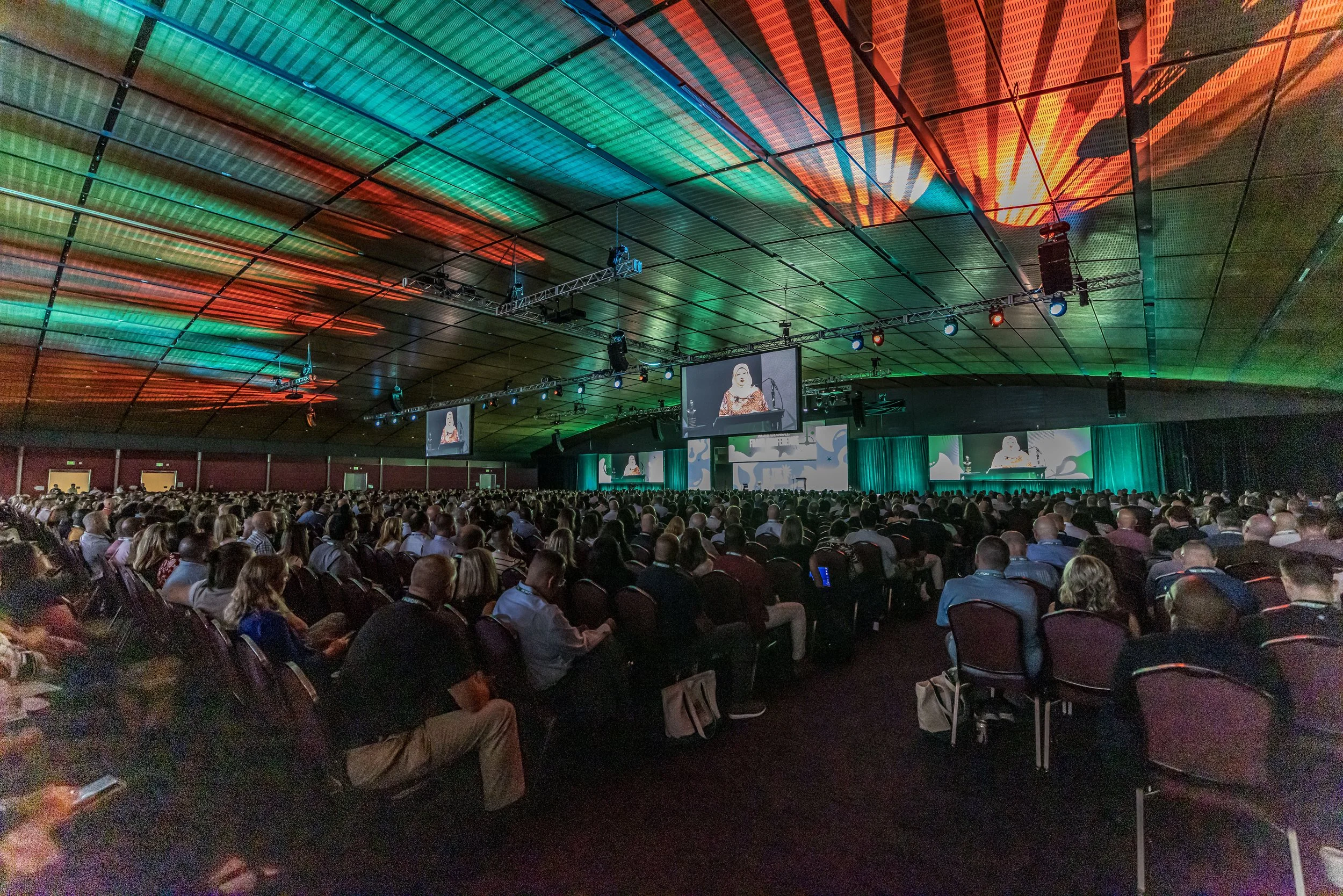
Rebecca Jarvis, host of "The Dropout" podcast and a chief correspondent for ABC News, led a panel on whistleblowing Monday at the 31st Annual ACFE Global Fraud Conference. She was joined by Stephen Kohn, Partner at Kohn, Kohn & Colapinto, LLP, Tom Mueller, New York Times best-selling author of "Crisis of Conscience," and Jane Norberg, Chief of the Office of the Whistleblower for the U.S. SEC.

Read More

ACFE Regent Chair Video: Bethmara Kessler, CFE

ACFE Regent Chair Video: Bethmara Kessler, CFE

"One of the hardest things to learn as a leader is to recognize that there are lessons you haven't learned yet and that there are places where you can do better. We must do better. And we must continue to listen, learn and grow,” said Bethmara Kessler, CFE.

Kessler, the Chair of the ACFE Board of Regents, spoke to attendees at the 31st Annual ACFE Global Fraud Conference on Monday morning and talked about the role of the Regents.

Read More

Keynote Speaker Video: Howard Wilkinson

Keynote Speaker Video: Howard Wilkinson

"You should never really have heard of me,” Howard Wilkinson, the Danske Bank whistleblower told attendees at the 31st Annual ACFE Global Conference on Monday.

“Something bad had happened in the branch. We all know bad things happen. A whistleblower reported it, internal audit investigated it, reported it to top management. And top management had taken the necessary action, made the necessary reports and done what needed to be done. You would have never heard of me. It didn't happen like that."

Read More

Keynote Speaker Video: Jules Kroll

Keynote Speaker Video: Jules Kroll

“All along the way, hundreds of people who worked for us all over the world had that CFE designation. And it was the CFE team, individuals, groups, that provided the bulk of the analytical work, the accounting analysis and the other analysis dealing with fraud,” said Jules Kroll, founder of K2 Intelligence.

Kroll spoke to attendees at the 31st Annual ACFE Global Fraud Conference on Monday morning and took them through the story of how he began J. Kroll Associates in 1972 (later Kroll Inc.), and how he helped shape corporate forensic investigations as we now know them.

Read More

Whistleblowers Are Better Protected, but Still Face Retaliation

Whistleblowers Are Better Protected, but Still Face Retaliation

Is this a good time to be a corporate whistleblower? Probably, according to a panel of watchdog experts, with some caveats.

The ACFE’s 2020 Report to the Nations shows that tips remain the most common way for fraud to be detected, which accounted for 43% of the survey respondents’ cases. However, panelist Stephen Kohn, a longtime counsel to whistleblowers, said employees should think twice before they report problems internally.

“My message to members is, don't fall on your sword,” said Kohn, chairman of the board of the National Whistleblower Center and partner, Kohn, Kohn & Colapinto LLP. “If you raise a concern, if you issue an audit report, if you make an internal complaint — and you get resistance from the company — don't set your hair on fire,” he said.

Read More