Team Collaboration in the Takedown of an Unusual Healthcare Fraud
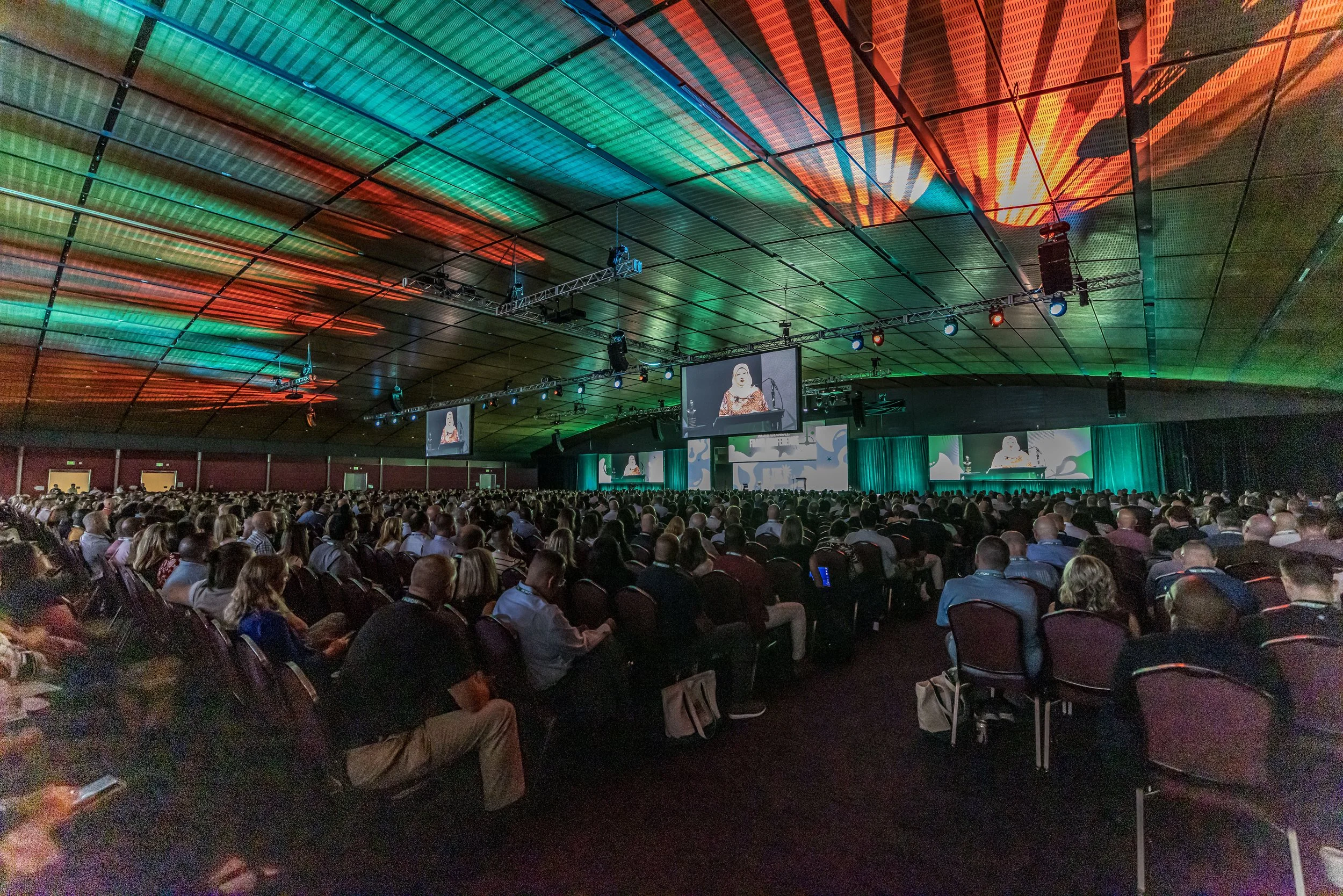
/Operation Nightingale was a complex healthcare fraud scheme that required investigators across the U.S. and multiple disciplines to come together to uncover the scheme and orchestrate its takedown. “No one group or person could have done this themselves,” Mary Wielenga-Cline, CFE, DBA, said of the investigative team’s collaboration during her afternoon breakout session at the 37th Annual ACFE Global Fraud Conference. She and Freddy Ortiz, CFE, recounted their roles in the investigation and the importance of collaboration in investigative work.
In this “case study in investigative teamwork,” Ortiz outlined the scheme that involved individuals who sold fraudulent nursing diplomas and transcripts. Aspiring students hoping to save time and money would pay owners of “underground schools” for fake nursing credentials. These owners would then obtain the diplomas from universities in many states, including Florida, New York, New Jersey and Texas. With minimal training and expedited education, the students would move on to obtain work as nurses.
“Having individuals that are nurses and not certified to perform examinations and administer medication is very harmful to the public,” said Ortiz. He said the severity of the harm made this a “priority for everyone to work this case.” Wielenga-Cline noted the irony of the scheme’s namesake, the Nightingale Oath, and the co-conspirators’ pledges to the oath to uphold ethical standards in nursing.
Wielenga-Cline and Ortiz both work for the U.S. Federal Bureau of Investigation (FBI). Ortiz is a special supervisory agent and supervises many agents who investigated Operation Nightingale. Wielenga-Cline is a forensic accountant, and it was this expertise that she brought to the investigation.
“Not all agents are accounting experts,” she told conference attendees. She said this affected what she looked for in the investigation compared to what other agents looked for. As a financial accountant, she looked mainly at the finances to trace the flow of money from students to “underground schools,” and she was able to answer questions and explain where the money was going and what it was being spent on. She said they constantly had to communicate and that everyone’s contributions were essential to piecing the final puzzle together. “That interaction is really important and everyone’s piece is super important.”
In a multi-state investigation that involved undercover agents meeting with owners of the “underground schools” and coordinated school searches revealing boxes of incriminating records and filing cabinets, 25 individuals were charged for their involvement in the scheme. More than 7,600 fake nursing diplomas and transcripts and been sold, with more still be uncovered as the investigation continues.
Wielenga-Cline said that although the operation fell under the umbrella of healthcare fraud, it was unusual in its complexity and involved many things the investigative team had to learn.
