Through the Filmmaker’s Lens: Fraud, Technology and Accountability
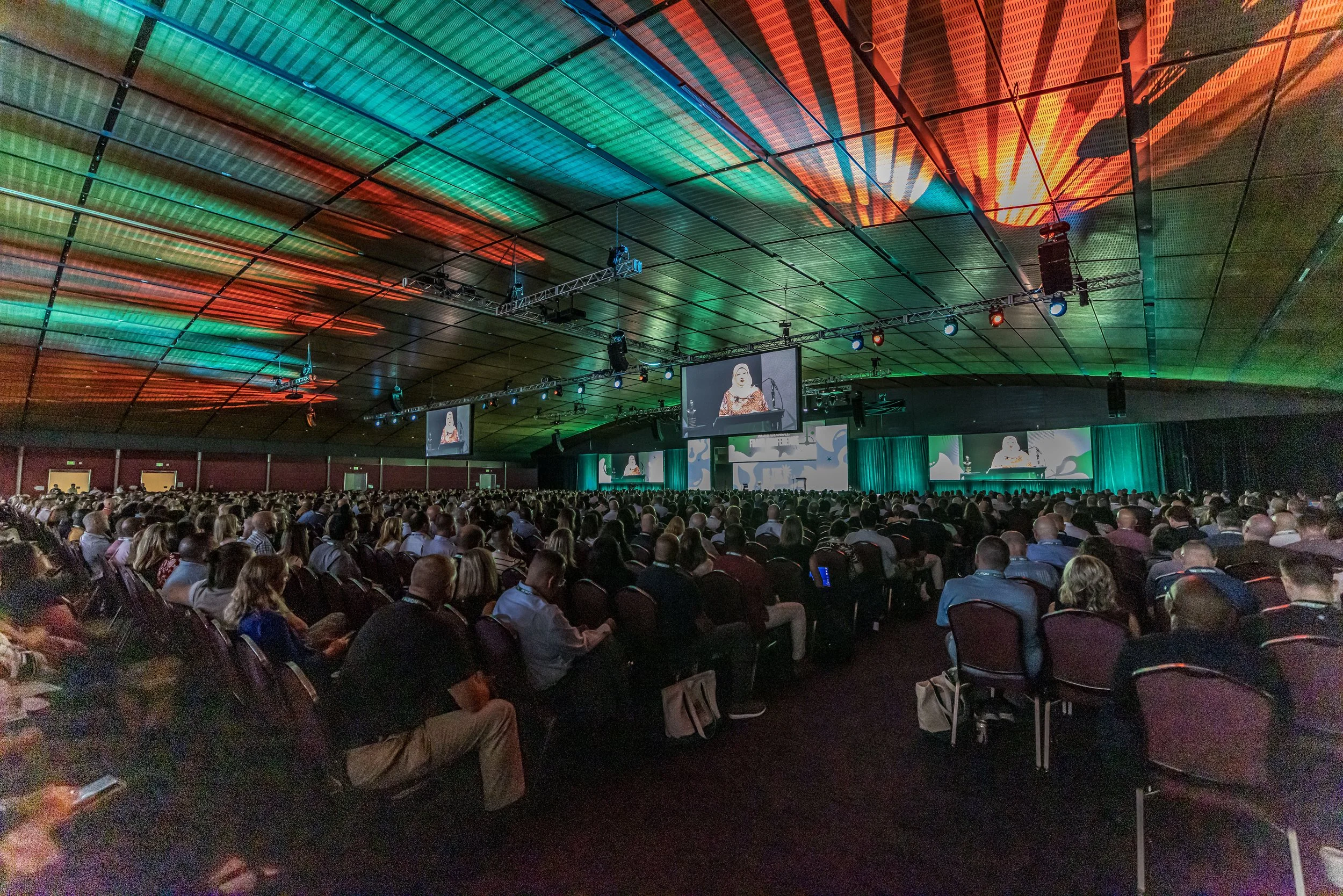
/Most audiences Alex Winter speaks to need an introduction to the technologies behind his documentaries. At the 37th Annual ACFE Global Fraud Conference, the actor, writer and award-winning director found something different.
Early in Monday afternoon’s keynote session, Winter joked that he rarely has the opportunity to speak with people who already understand subjects like cryptocurrency, the dark web and artificial intelligence. Instead of explaining the technology and its potential negative applications, Winter joined ACFE CEO John Warren, J.D., CFE, for a conversation about its broader impact on trust, accountability and public understanding.
Early Exposure to Fraud and Corruption
Introduced by Warren as an “honorary CFE for the day,” Winter reflected on the path that led him from acting to investigative filmmaking. After saving money from Broadway to study directing at New York University, he found himself drawn to stories at the intersection of technology, deception and society. He credited a family history of journalism, including a grandmother involved in investigative work during the administration of former New York City Mayor Fiorello La Guardia, with shaping his belief that helping people better understand the world is a form of civic responsibility.
That philosophy has guided Winter’s documentaries examining the Panama Papers, the dark web, cryptocurrency and social platforms. Rather than simply documenting corruption or explaining emerging technology, Winter said he looks for the people whose experiences help convey structures, risks and larger impacts.
Discussing his documentary covering The Panama Papers, Winter explained that he intentionally centered the documentary on the international network of journalists responsible for investigating one of the largest financial leaks in history. Reporters from around the world, through a coordinated effort led by the International Consortium of Investigative Journalists (ICIJ), relied on an encrypted communication platform to analyze millions of leaked documents before publishing their findings simultaneously, demonstrating how technology can be used not only to facilitate crime but to expose it.
The Work of a Documentarian
Winter believes his primary role as a filmmaker is to gather knowledge, organize it into a compelling narrative and help audiences better understand complicated subjects.
As he told Warren, “More people understanding the way the world works will make the world better.”
A theme that emerges in much of his research is the exploration of “hugely disruptive systems that were not being recognized by the media or the public in terms of the consequences they were going to have.” As fraud examiners know well, innovations are often embraced long before the public fully understands implications, creating new opportunities and challenges surrounding misinformation, manipulation and the erosion of trust.
When asked if his next narrative film is about fraud, Winter replied “Isn’t everything?”
He described filmmaking, especially his documentary work, as an investigative process built on curiosity, research and conversations with experts. Winter said the best documentaries leave audiences with more questions than answers, but an investment in learning more.
While filmmakers, journalists and fraud examiners approach investigations from different perspectives, many of the themes discussed throughout the session applied directly to the work anti-fraud professionals encounter every day. Each profession demands curiosity, persistence and a willingness to follow evidence wherever it leads, and they all carry the responsibility of translating complex information into something others can understand and act upon.
What’s Ahead in the Fight Against Fraud
Winter acknowledged the uncertainty surrounding rapidly evolving technology, including artificial intelligence and deepfakes, but said growing public awareness is leading to more informed conversations about oversight and accountability.
By the end of the conversation, it was clear why this audience was different for Winter. Fraud examiners and investigative journalists are more similar than we may realize — they help others understand and build trust within complex systems to increase both transparency and accountability.
