

Key Insights From the 2026 ACFE Fraud Conference Canada
/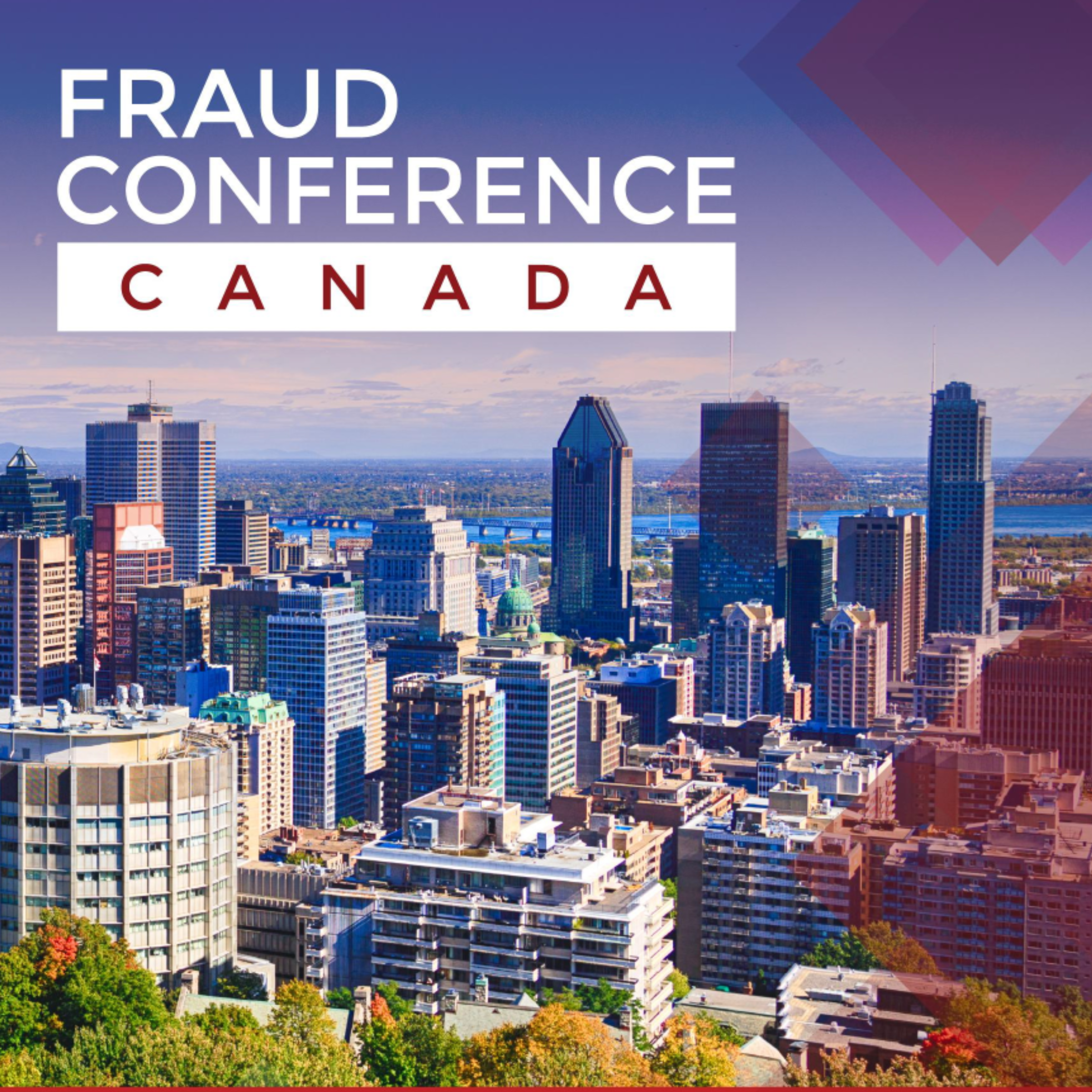
The 2026 ACFE Fraud Conference Canada brought anti-fraud professionals together in Montreal and virtually, Nov. 15–17, during International Fraud Awareness Week. While organizations around the world encouraged people to recognize and report fraud, experts at this year’s event examined the challenges of investigating it in the public and private sectors, recovering losses and helping organizations through the aftermath.
Keynote sessions approached those challenges from different professional perspectives. A fraud examiner discussed the pursuit of stolen assets, a journalist examined failures in financial oversight, a seasoned leader recounted rebuilding a company after fraud and a cybersecurity official from one of Canada’s leading groups considered the threats ahead.
Pursuing Recovery Across Borders
For victims of fraud, many are faced with considerable uncertainty about whether they will ever recover their money. Opening keynote speaker Chris Mathers examined the investigative work involved in answering that question.
The former police detective and fraud examiner drew on cases including the “Crypto King” investigation involving the alleged theft of more than $50 million. He discussed strategies for locating hidden assets and tracing funds through complex financial networks, including the obstacles that arise when money moves across jurisdictions or into cryptocurrency.
Mathers also examined legal tools such as Anton Piller orders that provide the right to search premises or seize evidence without prior notice, giving attendees a closer look at civil fraud recovery and the practical difficulties of pursuing assets on behalf of people who have already suffered substantial losses.
The Appearance of Legitimacy
Investigative journalist Zak Vescera’s session began with an unusual detail: a seemingly ordinary Toronto office building that, on paper, housed nearly 100 financial services businesses.
Vescera used that starting point to examine a cryptocurrency fraud network and weaknesses in Canada’s money services business regulatory framework. His account connected shell companies, stolen identities and lax oversight with the opportunities they created for fraud.
Through the rise and collapse of the investment platform MTFE, he also examined how social engineering and promises of effortless returns attracted victims. “In times when money is tight, and things are finite, that’s when people become the most vulnerable,” Vescera explained, highlighting the circumstances fraudsters exploit to gain people’s trust.
Ultimately, the discussion provided deeper insight into the tactics fraudsters use to gain people’s trust while taking advantage of gaps in the institutions and processes meant to protect them.
The Decisions That Follow a Fraud
Kimberly Lyall opened Tuesday’s keynote session with the experience of leading a membership-based nonprofit through a sudden financial collapse caused by fraud.
She had been CEO for nearly two years when the crisis forced difficult decisions to be made about the organization’s future. Her account followed the work of rebuilding the business into a financial and industry success, including the leadership choices that helped restore confidence for both the organization’s staff and its stakeholders.
Lyall examined how ethical leadership, psychological safety and a clear sense of purpose can support recovery. Reflecting on the rebuilding process, she noted, “When you recover, you can actually build better. And when you build better, you can be bolder, and when you’re bolder, you can do really important things in this world.”
Her session brought attention to the people who must continue working together after fraud, often while questioning decisions, relationships and practices they once trusted. For fraud examiners, that perspective offered a fuller understanding of what an affected organization may need as it works through the financial and psychological consequences.
Preparing for AI-Enabled Cybercrime
Erin Fox, senior director of Threat Assessment Reporting and Planning (TARP) at the Canadian Centre for Cyber Security, addressed the profitability of cyber-enabled fraud and the technologies helping criminals expand their operations.
Drawing on national threat assessments, Fox examined the continued threat of ransomware and the growing use of artificial intelligence to make attacks more convincing and harder to detect. She also considered how cybercrime could develop over the next two years and what those changes could mean for organizations and individuals.
“Cybercrime is not simply growing, it’s truly changing shape. Criminal ecosystems are becoming more resilient, more accessible and better able to operate at scale," said Fox. “A fragmented criminal marketplace may continue to consolidate around fewer and more capable groups. Disrupting individual organizations still matters, but disrupting the ecosystem that sustains them, that is our bigger challenge.”
Her session addressed both current threats and the collaborative efforts underway to prepare for future risks, giving attendees a national perspective to consider alongside their own organizations’ prevention and response plans.
Applying the Lessons
Breakout sessions examined the everyday practices that influence how well organizations prevent and respond to fraud. Topics included reporting hotlines, fraud risk assessments, investigative interviewing, financial loss calculations and courtroom testimony. Sessions on cognitive bias and AI-assisted decisions also considered how investigators can avoid unsupported conclusions and maintain objectivity.
The conference’s timing during International Fraud Awareness Week connected that professional education with a broader public. The willingness to share knowledge about fraud, including difficult lessons on where safeguards have failed and best practices for navigating changing landscapes, is critical for organizations and individuals alike. Making these lessons useful to others is an ongoing responsibility for the profession, well beyond a single conference or awareness week.
