
6 Things Boston Can Teach Fraud Fighters About Curiosity, Trust and Community
/Boston, Massachusetts, has a habit of producing people who ask inconvenient questions.
Once, that led to tea floating in the Boston Harbor. Other times, it led to breakthroughs in medicine, technology and education. Sometimes, it even led investigators down rabbit holes asking questions that remain unanswered today.
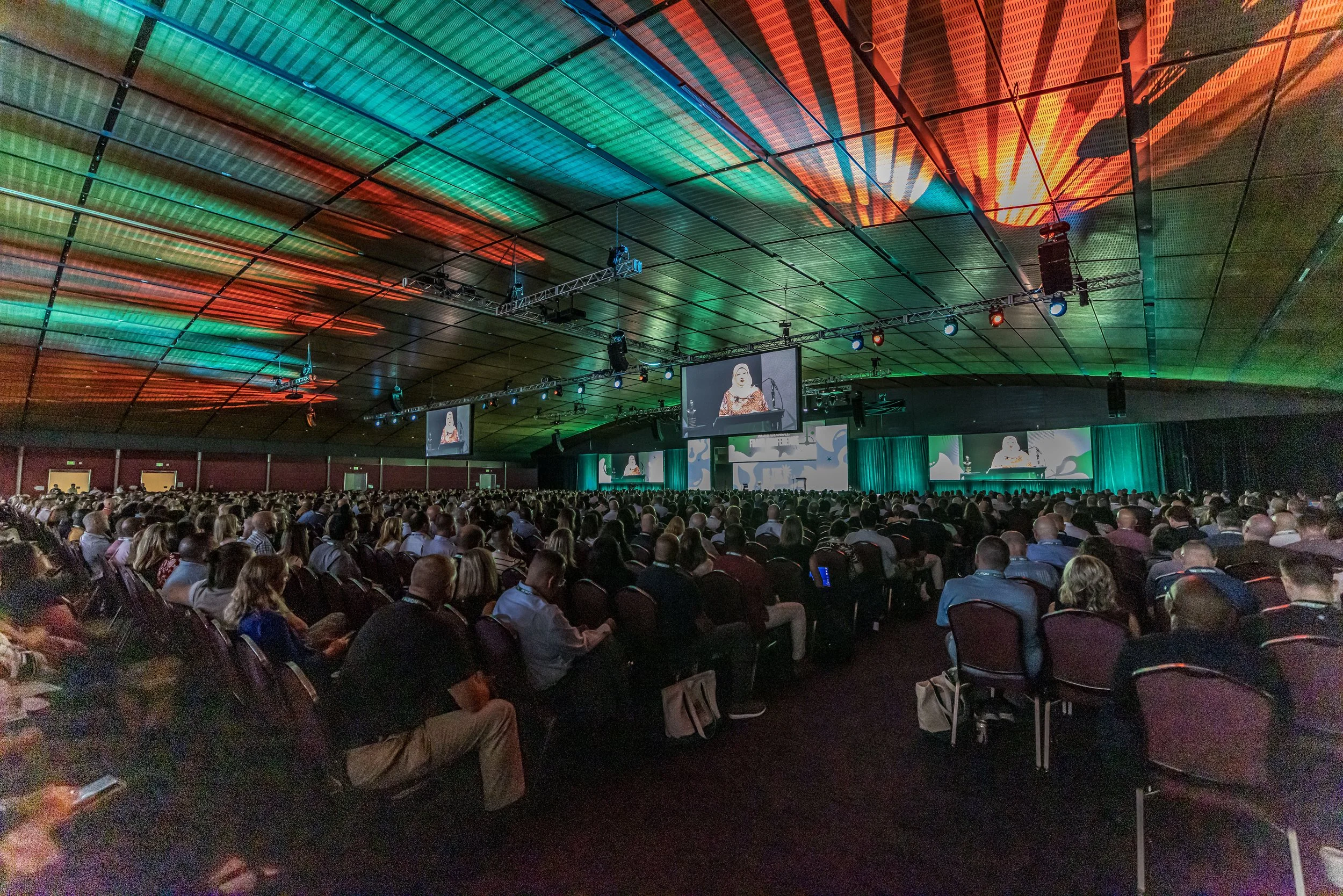
Ahead of the 37th Annual ACFE Global Fraud Conference, we looked at a few lessons from one of America’s oldest cities and why they still resonate with people who spend their days following evidence, testing assumptions and searching for answers.
Whether you’re joining this year’s conference in Boston or virtually, the city offers a surprising number of lessons for professionals whose work often begins with a single, simple question.

1. Ask the Question Everyone Else Has Accepted.
The Boston Tea Party challenged the idea that established systems were beyond question. By refusing to accept the status quo, ordinary people forced others to reexamine assumptions that many had stopped questioning. That spirit will be on display again during Sail Boston 2026, when tall ships from around the world sail into Boston Harbor for the city’s annual maritime festival, which overlaps this year with the nation’s 250th anniversary. It’s a reminder that Boston has long been a place where big ideas take shape.
For fraud examiners, the lesson is simple: Meaningful discoveries often start with a question. Investigations move forward because something is noticed that doesn’t quite add up and requires a closer look.
2. One Person Can Change the Story.
Boston is forever linked to Charles Ponzi, whose name became synonymous with one of the most infamous fraud schemes in history. Unfortunately, it’s often easier to remember the person at the center of the scandal than it is to remember the person who chose to speak up.
In 1920, William H. McMasters briefly worked as Ponzi’s publicist before becoming convinced something wasn’t right. Rather than look the other way, he spoke out. His public criticism helped unravel the scheme and contributed heavily to Ponzi’s downfall.
McMasters isn’t a household name despite his impact as a whistleblower. More than 40 years after his death, the ACFE posthumously awarded him the Cliff Robertson Sentinel Award in 2011, recognizing his role in exposing the fraud.
Healthy skepticism can be uncomfortable, strain relationships and challenge forward motion, but McMasters’ story is a reminder that skepticism isn’t cynicism. At its best, it’s a service to people and organizations that depend on the truth. When questions go unasked, risks can go unnoticed.
Read more in Fraud Magazine: The Man Who Time (Almost) Forgot
3. Curiosity Ages Better Than Expertise.
In 1919, a massive storage tank in Boston’s North End burst, sending a wave of molasses through the streets. The disaster killed 21 people and injured dozens more. Investigators at the time offered explanations, but decades later, researchers revisited the event using modern engineering tools and arrived at new conclusions about why the tank failed.
This willingness to keep learning and challenge assumptions is just as valuable as the knowledge we’ve already gained. The city is home to institutions like the Massachusetts Institute of Technology, where questioning assumptions is part of the culture. Researchers regularly review established theories, test old ideas and search for better answers.
That mindset matters in anti-fraud work. Technology changes, schemes evolve and regulations shift. Expertise is important, but curiosity is what helps professionals stay effective throughout their careers.
4. Persistence is Part of the Process.
In 1990, two men posing as police officers stole 13 works of art from the Isabella Stewart Gardner Museum. More than three decades later, the case remains unsolved.
For investigators, it’s a reminder that persistence matters. Not every case has a quick answer, and like this story, not every investigation comes to a clear resolution. Still, there is value in continuing the search, documenting what’s known and learning from what remains unanswered.
For a deep dive into this case, the Netflix limited series “This Is a Robbery: The World's Biggest Art Heist” is worth the watch.
5. The Best Work Happens in Communities.
Boston has reinvented itself many times, growing from a colonial port into a center for education, technology and innovation.
Those changes didn’t happen because of one person. They happened because people shared ideas, challenged each other and worked together. The same is true in the anti-fraud profession. Knowledge becomes more valuable when it’s shared, and some of the best insights come from conversations with peers.
At the 37th Annual ACFE Global Fraud Conference, hallway conversations, breakout sessions and networking with colleagues around the world often spark ideas that couldn’t happen in isolation.
6. Loyalty Builds Stronger Teams.
There’s a misconception that Boston can be difficult for outsiders. But if you spend enough time in the city, a different pattern emerges: Bostonians are deeply loyal to the people, institutions and communities they care about.
You can see this in the city’s devotion to its sports teams, its neighborhood traditions and its long history as a union town. Trust is earned, but once it is, that sense of commitment runs deep.
For fraud fighters, there’s a lesson in that loyalty. Strong teams are built on trust, shared values and a willingness to support one another. The relationships we invest in today often become the networks we rely on to face tomorrow’s challenges.
Whether you’re be joining this year’s ACFE Global Fraud Conference in Boston or attending virtually, look for opportunities to learn something new, connect (or reconnect) with colleagues and gain a fresh perspective that you can apply to the important work of preventing and detecting fraud.
