

A Lesson in the Power of Narrative in the Karen Read Trial
/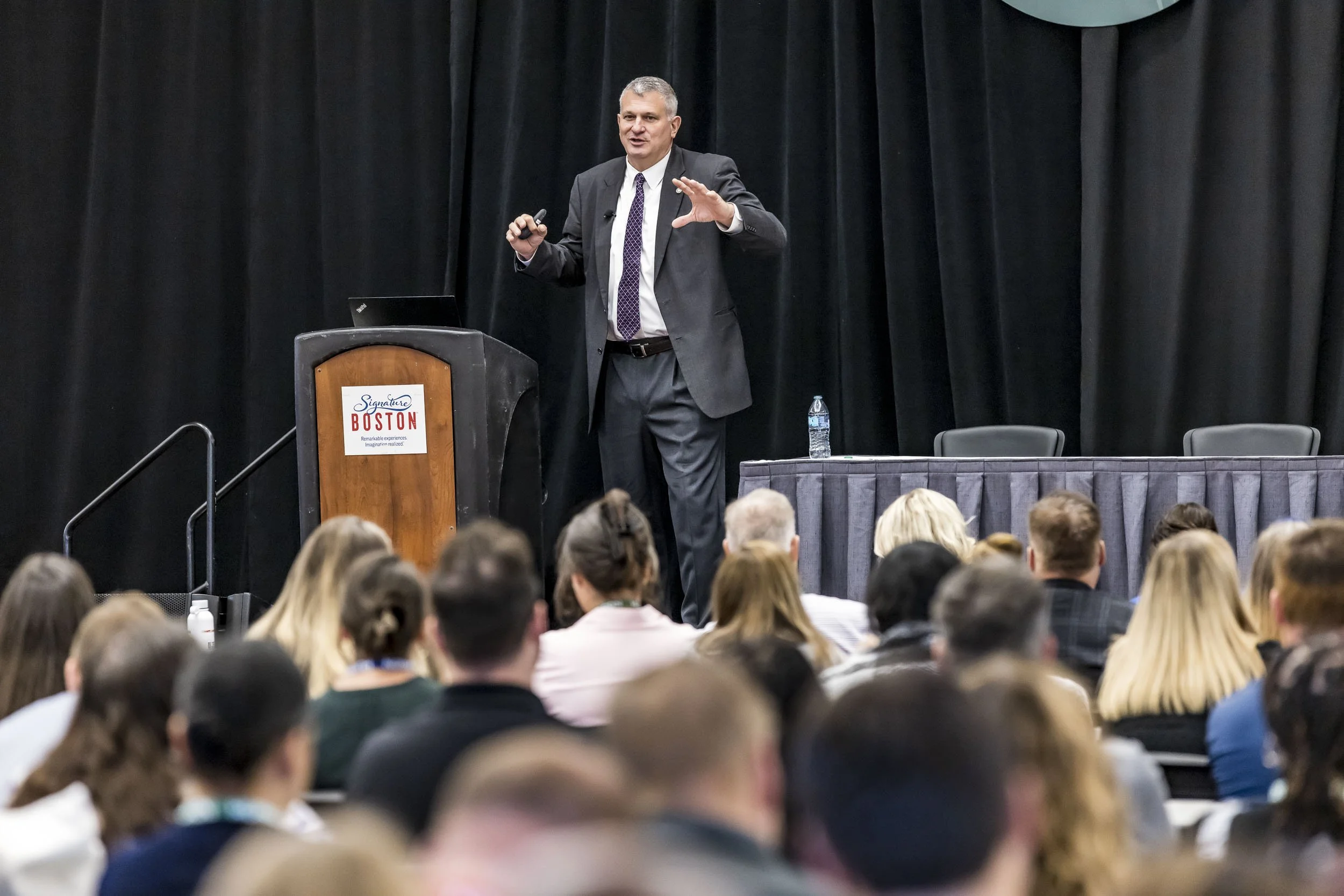
photo: acfe/victor goodpasture photography
“Let’s say you get a call, paramedics are surrounding a body that has visible scratches on the arms and you’re told the victim owns a German Shepherd with a history of aggression. What are you going to think?”
Derek Ellington, CFE, posed this question and scenario to introduce the power of compelling narratives in his second session covering the Karen Read case. Continuing from his first session on lessons in digital evidence collection, Ellington conveyed an important lesson for fraud examiners in the ability of narratives to influence how evidence is interpreted.
According to Ellington, the Karen Read trials demonstrate “the power of narrative and controlling a narrative.” He asserted that as investigators, Certified Fraud Examiners (CFEs) need to understand the power of narrative. The ways that evidence is presented can sway how others perceive it, and in the Karen Read case the prosecution initially put forth a very compelling narrative declaring Read’s guilt. “The defense had to work hard to shift the narrative back,” he said.
Ellington asserted that investigators can’t let their perception of a case influence how they approach an investigation. “Once someone’s made an imprint, you can’t get it out of your mind,” he told conference attendees. He said fraud examiners need to follow evidence to a conclusion, rather than starting with a conclusion and using that to interpret evidence.
During the session, Ellington noted some personal highlights from his time as a defense expert in the Karen Read case. The defense team included experts and students from Harvard Law and Boston University, and the experience involved being sequestered to avoid being influenced in their expert testimony. He also offered insights into the recent documentary “A Body in the Snow: The Trial of Karen Read” on HBO Max. According to Ellington, Read wasn’t paid for this documentary. He recommends those following the case stay tuned for an upcoming movie and book he believes will be more accurate.
Proposed narratives can take hold and sometimes cause evidence to be misinterpreted when held onto too tightly. “We as CFEs have to make sure we’re not nudging to keep a narrative,” Ellington said.
