
What “Liar’s Dice” Can Teach Fraud Examiners
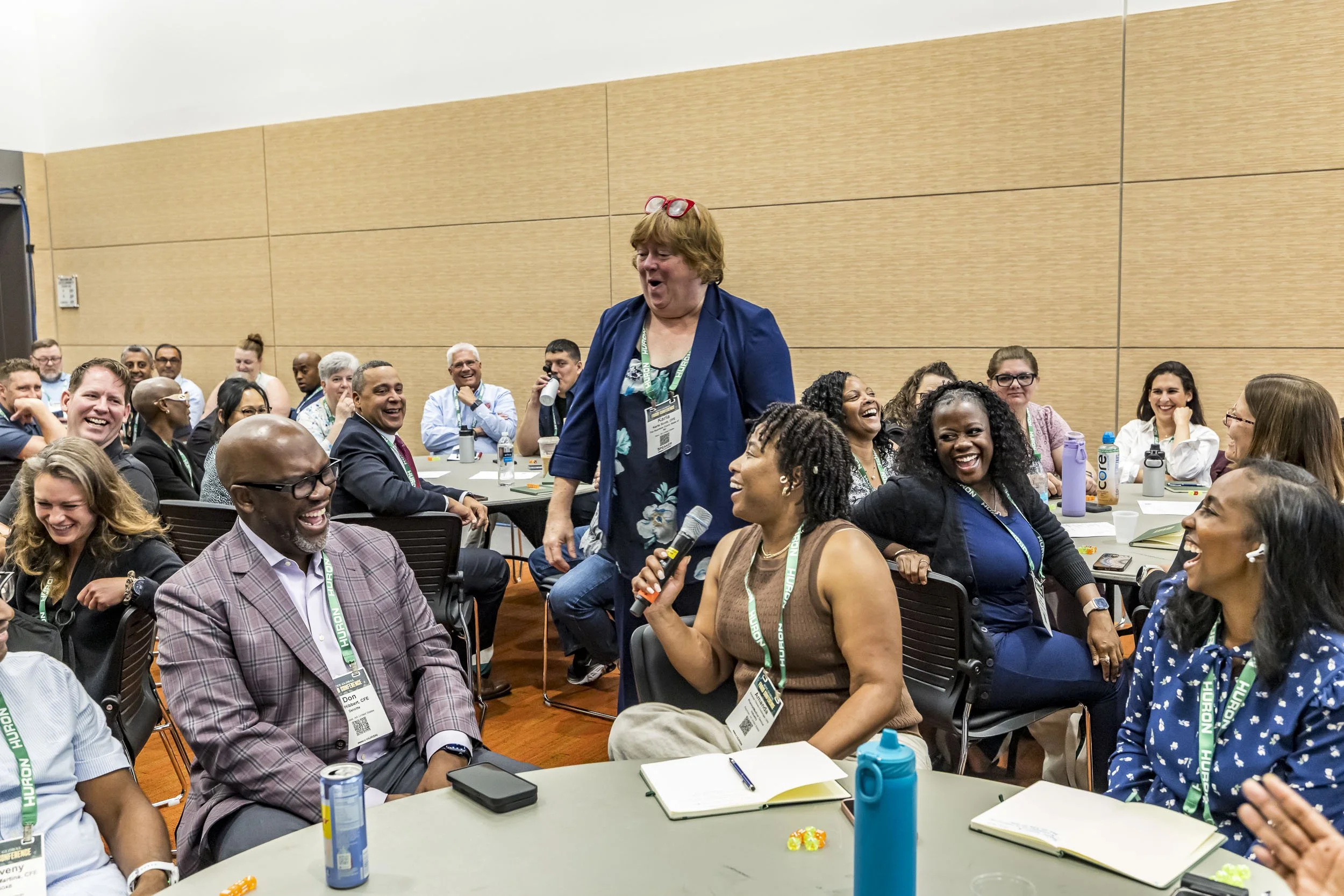
/The 37th Annual ACFE Global Fraud Conference’s loudest room Monday morning wasn’t a keynote or networking event. It was a session led by Karla Scott, CFE, where hundreds of fraud examiners laughed, negotiated, bluffed and accused one another of lying during a game of “Liar’s Dice.”
Scott’s unconventional approach turned an hour of friendly competition into a practical lesson on deception, demonstrating that successful fraud investigations depend on understanding people as much as they do financial evidence. She used a modified version of the classic dice game to demonstrate how investigators can recognize deception by observing behavior rather than relying solely on what people say.
Before the game began, Scott encouraged attendees to establish baseline behaviors and pay attention to subtle changes in confidence, body language and communication. She illustrated the concept with an example from former FBI agent Joe Navarro, whose observations of inconsistent nonverbal behavior helped locate a fugitive hiding inside a home.
Once the dice started rolling, the room quickly became competitive. Scott moved from table to table asking participants what behaviors stood out, what gave away a bluff and which players they trusted the most.
One volunteer confidently declared himself “a good liar” before the game began. His peers in his group quickly debunked this claim.
As additional rounds unfolded, strangers formed temporary alliances, negotiated with one another and adjusted their strategies based on changing circumstances. Scott used those interactions to illustrate how trust develops and how credibility can later be exploited, drawing comparisons to the way organized criminal groups build relationships over time.
She also challenged attendees to rethink assumptions about honesty. Someone telling the truth is not necessarily being truthful, she explained, because fraudsters often mix accurate information with falsehoods to build credibility before using that trust to deceive others.
Following the activity, the group shared with one another their firsthand experience with deception and the red flags that helped them cut through the noise. One attendee, a college professor, shared an example of a student who supported a fabricated excuse with a convincing, but fake, wedding invitation. The deception wasn’t uncovered until the professor contacted the venue directly, reinforcing Scott’s reminder to trust observations but always verify the evidence.
Scott closed by encouraging attendees to recognize their own investigative biases, seek multiple perspectives and validate what they observe. While the session was built around a game, many attendees said the interactive format made the lessons more memorable while creating opportunities to connect with fellow fraud examiners.
Chrysti Ziegler, CFE, said the session stood out because participants learned by doing rather than simply listening.
“It was a fun way to dive deeper in both the tells of the liar and the skills of the investigator while also having fun.” ACFE Regent Emeritus, Chrysti Ziegler, CFE, said. “I’ll remember these lessons and the people at my table long after conference ends.”
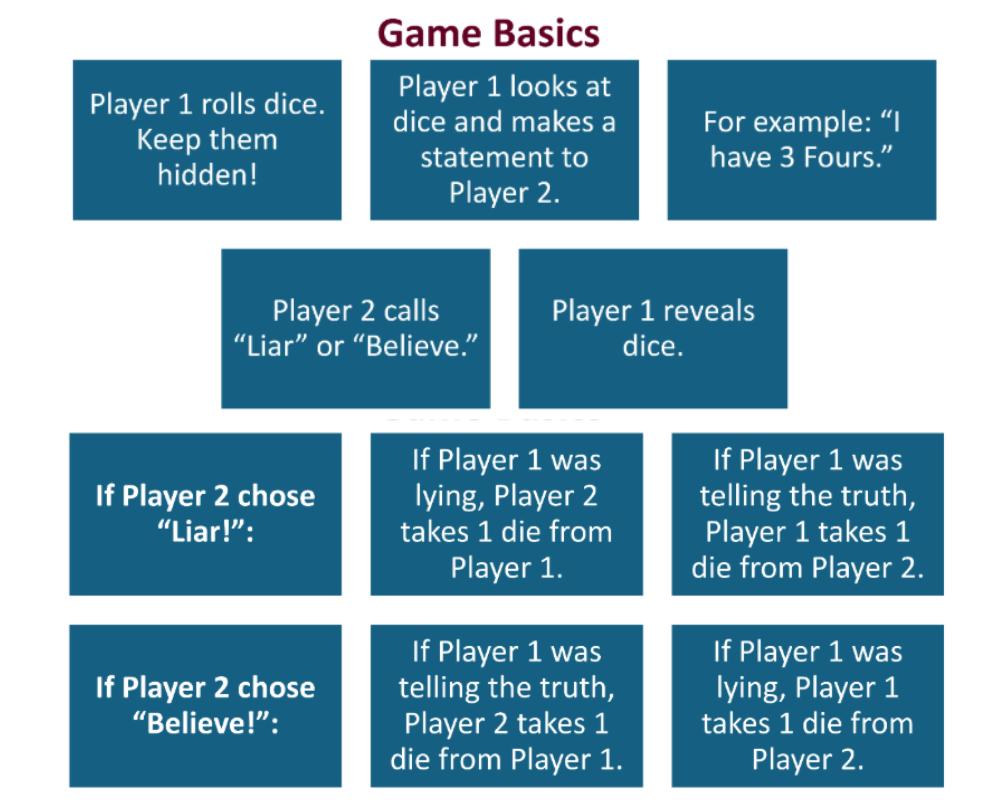
If you’d like to play the modified version of Liar’s Dice with your team, every player begins with four dice. Good luck, and as Scott reminded session attendees, “telling the truth doesn’t make you a loser in this group!”